
“Autism is a way of being. It’s not something you get over. It’s part of the tapestry of who you are.” — Michelle Garcia
Autism touches the lives of more people than most realize. According to the World Health Organization, 1 in 27 individuals in the world is autistic – a stat that speaks to just how many families, communities, and workplaces are shaped by neurodivergent experiences every day.
Autism is a neurodevelopmental condition that affects how people communicate, sense, process, and connect with others.
For the past several years, there has been a cultural shift towards celebrating neurodiversity, reducing stigma, and improving systemic support for Autistic individuals. But as important as that progress is, advocacy cannot be confined to just a month.
The CoordiCare team is committed to supporting Autistic individuals and their caregivers. Whether you are Autistic yourself, a caregiver, or simply someone who wants to better understand the landscape, the trends shaping 2026 are worth paying attention to. Here is what we are watching this year. We want to improve caregiving abilities for Autistic people and their caregivers as much as possible. If you are Autistic or love somebody Autistic, here are some predictions to be aware of for 2026.
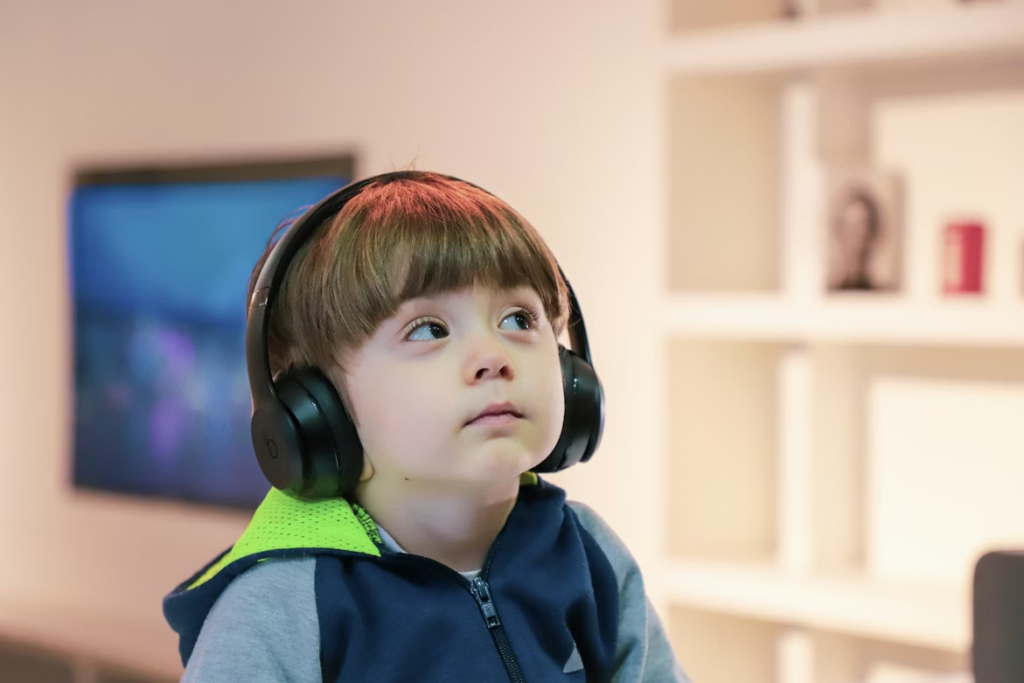
Photo by Alireza Attari on Unsplash
- Assistive technologies speech-generating and AAC (Augmentative and Alternative Communication) devices, tablets, virtual reality, robots, wearables, and apps are increasingly helping autistic children learn social skills, facial expressions, and body language, improve academic performance, and communicate their needs. Parental involvement is so critical to helping autistic children to thrive academically, socially, and emotionally. On the caregiver side, technology has come a long way since the pandemic because of increased demand for e-learning tools. To date, parents of autistic children are planning and monitoring the academic experience using digital tools at home and in school.
- Medicaid cuts may reduce public health benefits and research funding. As autism diagnoses rise, so does the demand for speech therapy, occupational therapy, psychiatric, and other autism affirming care. In 2025, the Trump Administration carried out one of the biggest Medicaid cuts in United States history, prompting intense advocacy from the disability community. Medicaid reductions will likely reduce funding for services like adult day care, vocational development, group homes, and paid family caregivers, which disabled individuals need to survive, thrive, and avoid institutionalization. One study suggested that rural families with autistic loved ones may particularly struggle with social isolation, stigma, lack of knowledge and resources, and economic disparities.

Photo by Bermix Studio on Unsplash
- Military families are increasingly getting their children diagnosed with Autism, research shows. And support is becoming more abundant. One article on Military.com interviewed a co-founder of the Experienced Autism Alliance, discussing how military families often move frequently, which can be challenging for autistic children on top of long wait lists for healthcare services. The organization provides family support from navigating IEP meetings to quickly connecting to services like Occupational Therapy (OT), speech therapy, and Applied Behavioral Analysis (ABA) in their area.
- High support needs to be brought to attention. There’s a debate among autistic self-advocates and caregiver communities about whether “profound autism” should be a separate diagnosis from the Autism Spectrum Disorder. Some believe functioning labels are dehumanizing, whereas others feel that medically recognizing profound autism will make for better, more accessible support services. Regardless of where you stand, support needs are complex, non-linear, and should never be neglected.
The trends shaping 2026 all point toward the fact that Autistic individuals deserve tools, systems, and communities that are built for them. CoordiCare is proud to be part of that future. Our app offers medication and appointment reminders, scanners, and a medicine side-effects and symptoms journal, eliminating the need for paper reminders and phone alarms when working with several providers. Folks with disabilities and their caretakers can use CoordiCare, helping those in transition or in semi-independent living, along with caregivers who manage complex care needs.
https://shorturl.fm/ZpQgP
https://shorturl.fm/aLNxR
https://shorturl.fm/y2ezi
https://shorturl.fm/yQMxQ
https://shorturl.fm/EuQNe
https://shorturl.fm/1Are0
https://shorturl.fm/K4bFs
https://shorturl.fm/BwOF2
https://shorturl.fm/dmL6C
https://shorturl.fm/rWjux
https://shorturl.fm/IeuGE
https://shorturl.fm/27Ved
https://shorturl.fm/7Nryy
https://shorturl.fm/y7gRt
https://shorturl.fm/x5YmX
https://shorturl.fm/y5MGt
https://shorturl.fm/91lpt
https://shorturl.fm/QWtSb
https://shorturl.fm/a4yRc
https://shorturl.fm/h4Gri
https://shorturl.fm/8UP6i
https://shorturl.fm/IDu5x
https://shorturl.fm/1utdm
https://shorturl.fm/TU4b0
https://shorturl.fm/RW7OV
https://shorturl.fm/Mtq6M
https://shorturl.fm/Q8O13
https://shorturl.fm/Bye3M
https://shorturl.fm/kICNU
https://shorturl.fm/7ZUr6
https://shorturl.fm/cO812
https://shorturl.fm/UEX9o
https://shorturl.fm/WNauN
https://shorturl.fm/cbFHD
https://shorturl.fm/tmxSE
https://shorturl.fm/eDfdF
https://shorturl.fm/Yi6tn
https://shorturl.fm/OeLgy
https://shorturl.fm/nv6lQ
https://shorturl.fm/qghX4
https://shorturl.fm/GoKyR
https://shorturl.fm/02O9m
https://shorturl.fm/SgYbB
https://shorturl.fm/Yjo71
https://shorturl.fm/Ev9pD
https://shorturl.fm/1OwDA
https://shorturl.fm/mHRYR
https://shorturl.fm/lCMZN
https://shorturl.fm/rk40t
https://shorturl.fm/rwWgE
https://shorturl.fm/j20cw
https://shorturl.fm/6NzaU
https://shorturl.fm/WeKlq
https://shorturl.fm/Jo9si
https://shorturl.fm/kCyXU
https://shorturl.fm/rmlzt
https://shorturl.fm/6AJMV
https://shorturl.fm/OmAyy
https://shorturl.fm/ibx9u
https://shorturl.fm/3n6Su
https://shorturl.fm/oUEQl
https://shorturl.fm/hc4Dg
https://shorturl.fm/G7v3c
https://shorturl.fm/sCChD
https://shorturl.fm/imhGu
https://shorturl.fm/0b6d6
https://shorturl.fm/lLSJR
https://shorturl.fm/k2zdn
https://shorturl.fm/rABDT
https://shorturl.fm/dhOTS
https://shorturl.fm/AQqEe
https://shorturl.fm/m6jpb
https://shorturl.fm/ag98W
https://shorturl.fm/vUvbX
https://shorturl.fm/0qSuN
https://shorturl.fm/seN5F
https://shorturl.fm/9WOLi
https://shorturl.fm/0QDSd
https://shorturl.fm/kk83q
https://shorturl.fm/e8mLH
https://shorturl.fm/CoGbE
https://shorturl.fm/eF84f
https://shorturl.fm/J0kWs
https://shorturl.fm/mKGs5
https://shorturl.fm/3LBcP
https://shorturl.fm/DLm8V
https://shorturl.fm/lgqkN
https://shorturl.fm/Q5QAG
https://shorturl.fm/BwiMu